

/filters:quality(70)/prod01/prodbucket01/media/durham-university/departments-/physics/teaching-labs/VT2A9034.jpeg)
Latest News
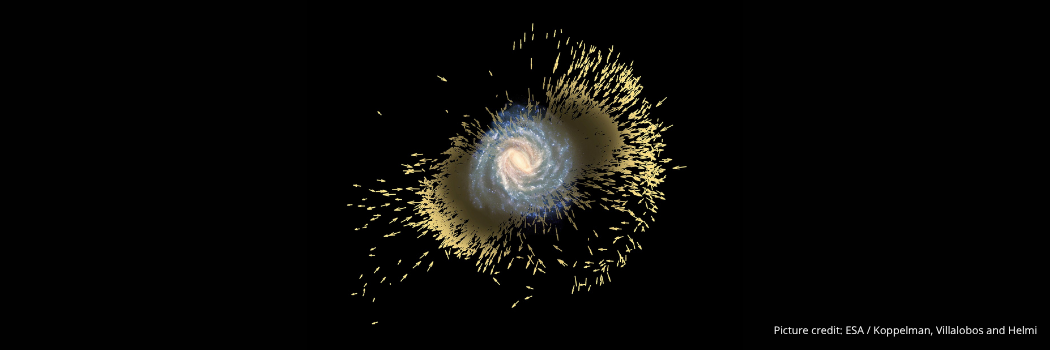
How our Milky Way once underwent a dramatic flip
The Milky Way may have undergone some cosmic gymnastics during its history with a dramatic disc flip, according to new research from our astronomers.
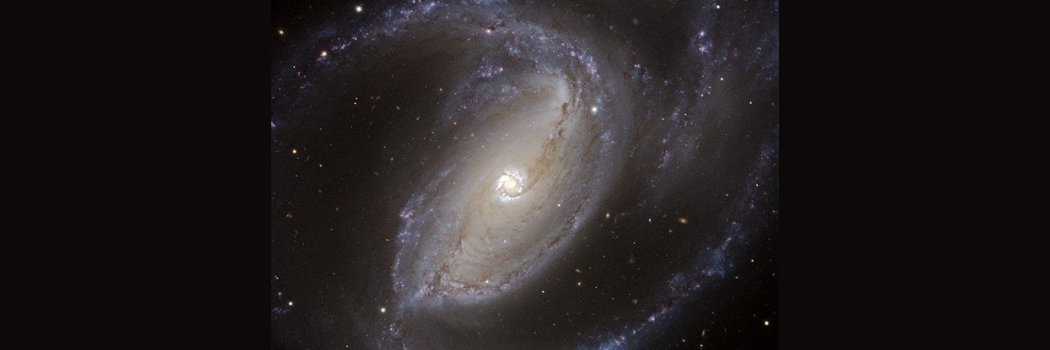
Durham astronomers uncover the earliest known signs of galaxy-building in action
Astronomers from our Physics Department have discovered the earliest known evidence of a galaxy being shaped from the inside out, revealing that key processes in galaxy evolution were already under way when the Universe was still young.
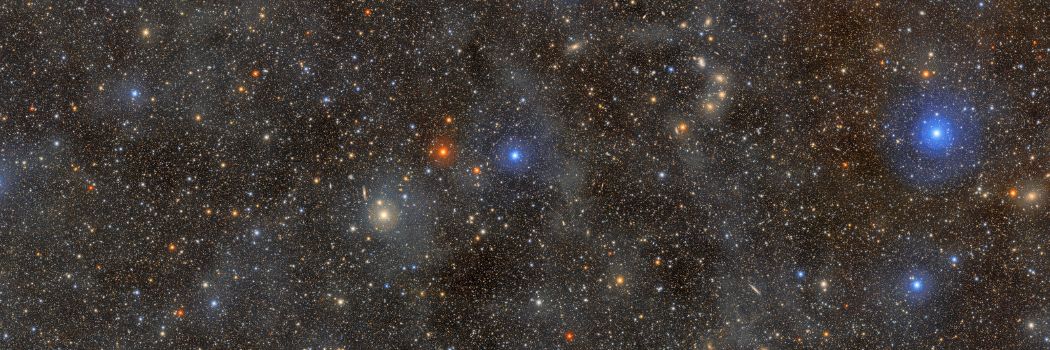
Durham physicists part of mission to chart space and time
Our physicists are part of one of the most ambitious studies of the Universe ever undertaken.
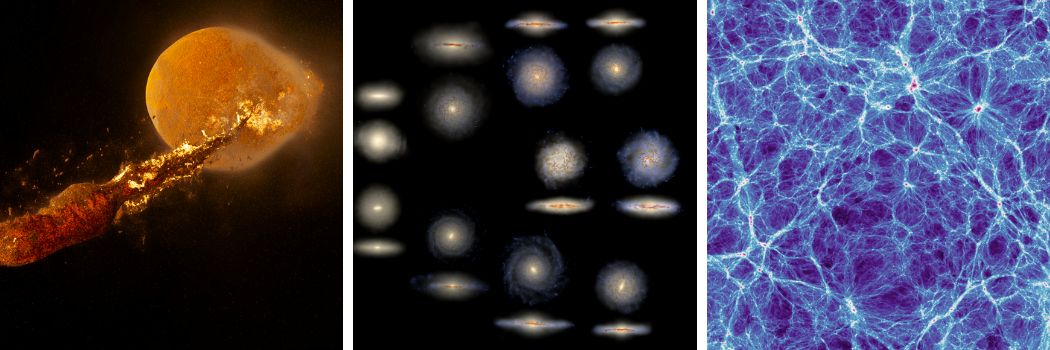
Shaping the cosmos at the Royal Society Summer Science Exhibition
Our physics research delves into the origins of the Moon and galaxies – and now people can have a go at shaping the cosmos themselves.
Professor Mark Leake appointed as next Director of the Biophysical Sciences Institute and Chair of Natural Philosophy
Durham University has announced the appointment of renowned physicist Professor Mark Leake as Chair of Natural Philosophy, effective 1st October 2026.

One of the world’s most important climate threats has an image problem
Scientists say the Atlantic meridional overturning circulation (Amoc), a crucial circulation of water that helps to keep northern Europe warm, is weakening, but it struggles to make the headlines. Dr Fionagh Thomson, a Visiting Research Fellow in our Centre for Extragalactic Astronomy and Institute for Computational Cosmology, looks at Amoc’s image problem.

Professor David Alexander appointed trustee of the Royal Astronomical Society
Professor David Alexander from our top-rated Physics Department has been elected as a trustee of the Royal Astronomical Society (RAS), one of the UK's leading organisations for astronomy and geophysics.

Knighthood for world-leading cosmologist Professor Carlos Frenk
Professor Carlos Frenk – who is behind one of the foremost theories of the evolution of the Universe – has been knighted in The King’s Birthday Honours.
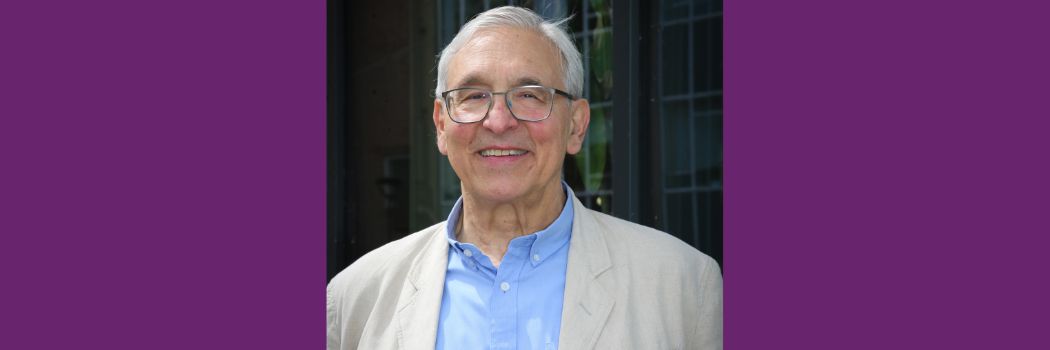
The Rochester Lecture 2026 was delivered by Prof. Antoine Browaeys
On May 18th 2026 the Rochester Lecture was delivered by Prof. Antoine Browaeys from Laboratoire Charles Fabry, Institut d’Optique, Paris.
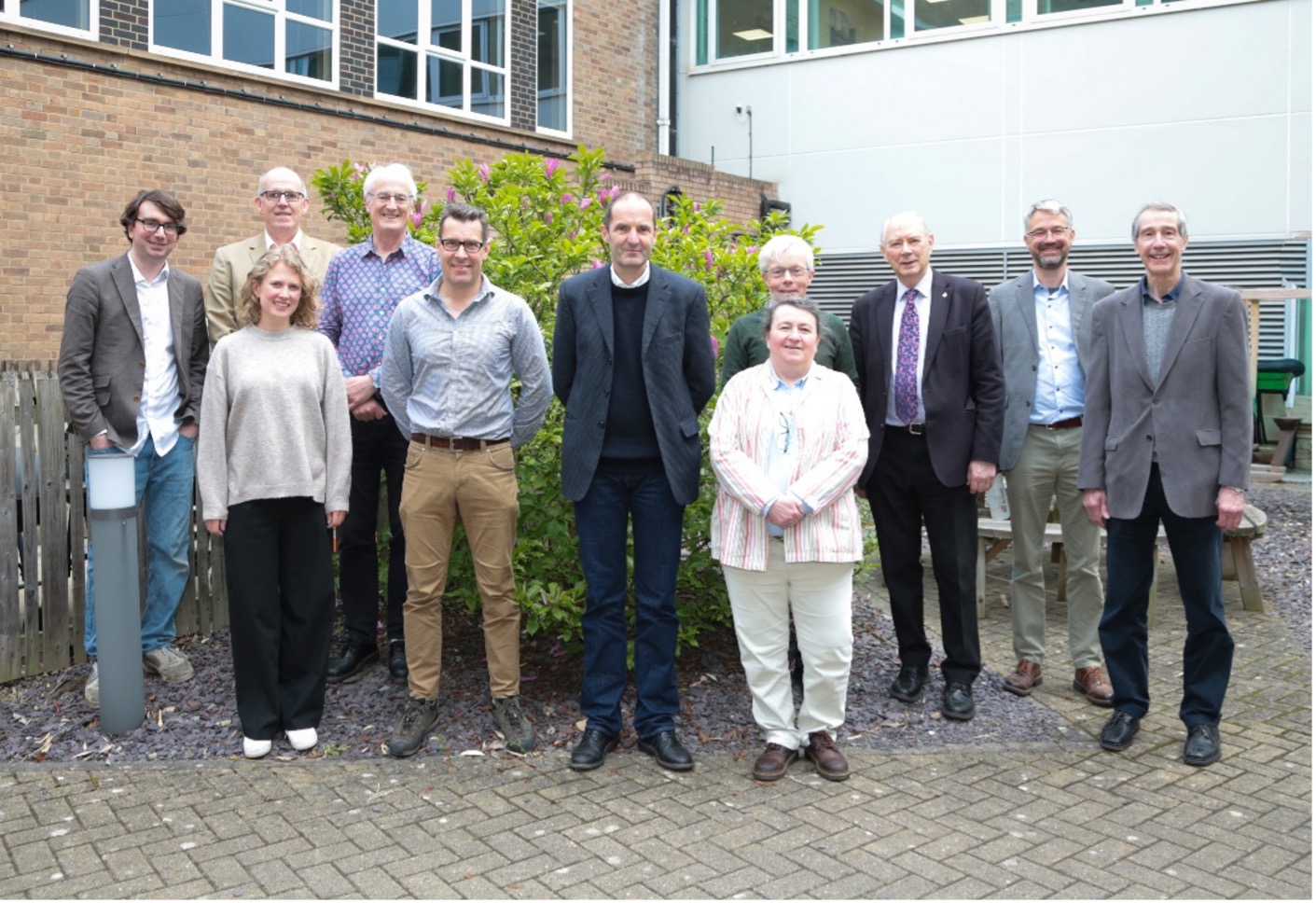
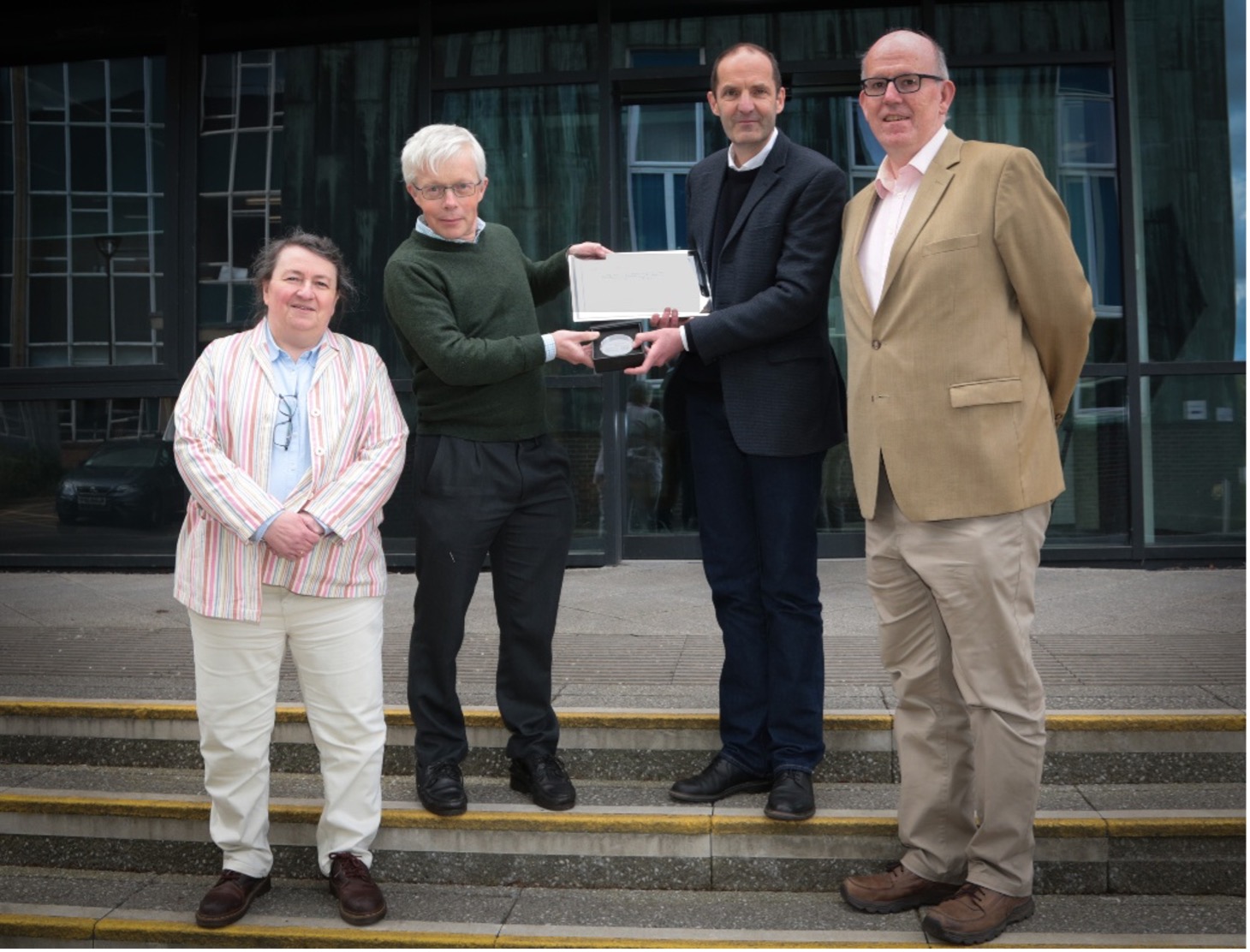
Prof. Stuart Adams receives Holweck Prize
Professor Stuart Adams of the Quantum Light and Matter (QLM) group at Durham Physics was the recipient of the 2020 Holweck prize, which is awarded by the French Physical Society and the Institute Of Physics. This is recognition of his pioneering work on Quantum optics.
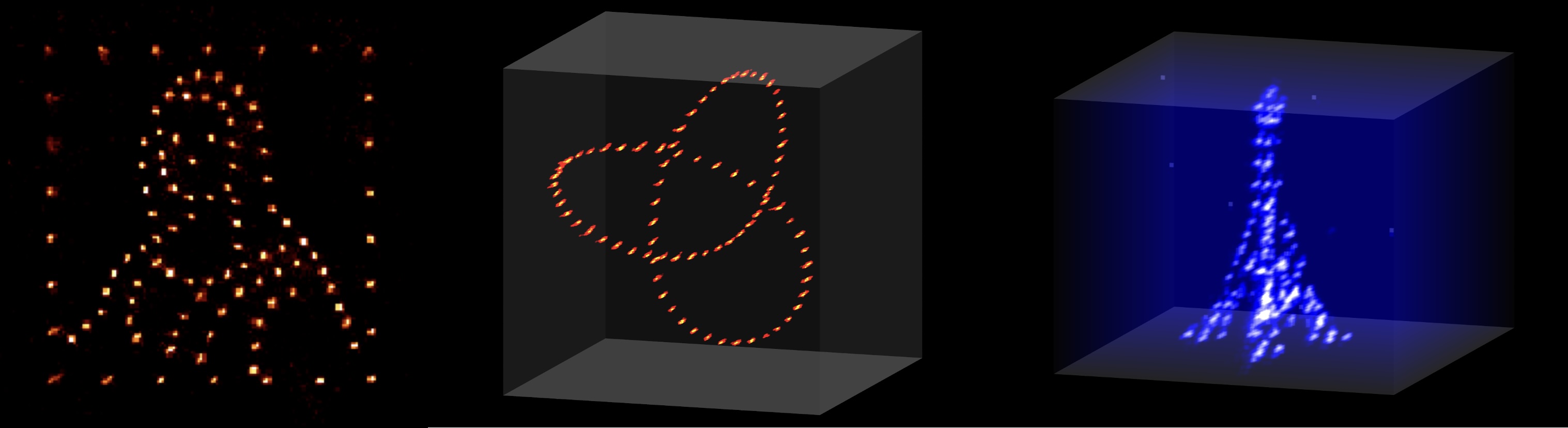
The 2026 Rochester Lecture takes place on Monday 18th May
The 2026 Rochester Lecture will take place on Monday 18 May in Lecture Theatre Ph8 of the Rochester Building. This year's speaker is Antoine Browaeys, a senior staff Scientist at CNRS. He studied at the Ecole Normale Supérieure in Cachan (France) and did his ph’D under Alain Aspect at the Institut d’Optique (2000). He is working on experiments manipulating individual cold atoms and small, dense atomic clouds.
Global research team to tackle soil crisis in sub–Saharan Africa
An international team of researchers led by our Physics Department is developing a new way to tackle soil degradation in sub–Saharan Africa.

/filters:quality(70)/prod01/prodbucket01/media/durham-university/departments-/physics/cosmo-simulations/cosmic-ray.jpg)