

/filters:quality(70)/prod01/prodbucket01/media/durham-university/research-/research-centres/international-centre-for-moral-injury/Moral-injury-banner.jpg)
People
Research and Development Group
The ICMI's core team
Revd Dr Brian S. Powers
Executive Director of the ICMI
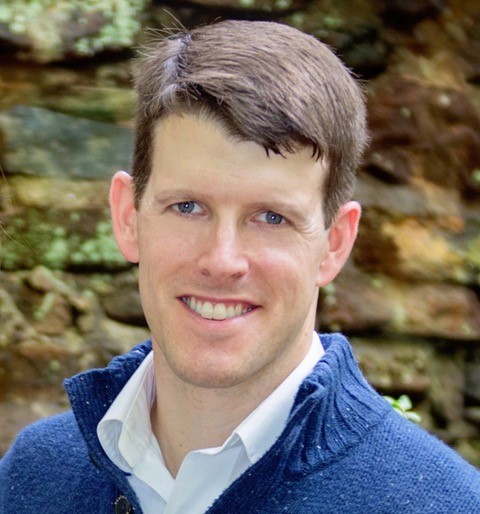
Brian Powers is a systematic theologian, a former US Air Force Special Operations Weather Team officer, a veteran of the conflicts in Iraq and Afghanistan, and the inaugural Bernard William Vann Fellow in Christianity and the Armed Forces at Durham University. He has written and spoken extensively on the importance of worldview, ethics and religious dialogue in rebuilding moral frameworks through which morally injured persons may find meaning and solace, both in American and British contexts. He is the author of Full Darkness: Original Sin, Moral Injury, and Wartime Violence (Eerdmans, 2019).
Canon Prof. Michael Snape
Director of the ICMI
Michael Snape is the Michael Ramsey Professor of Anglican Studies at Durham University. He is the official historian of the Royal Army Chaplains’ Department and has published extensively on the history of religion and the armed forces.
Revd Wendy Cooper
.jpg)
The vision and model for the ICMI was conceived by Wendy Cooper. Wendy continues within the ICMI as a member of the Research and Development Group and is undertaking a Professional Doctorate to further her research on moral injury related practice development. She is an Honorary Fellow in the Department of Theology and Religion at Durham University and a minister in the Diocese of Winchester.
Dr Jane Lidstone
ICMI Administrator
Jane Lidstone's academic background is in psychology with interests in mental health and wellbeing. At the ICMI, Jane is responsible for website design and maintenance, communications, organising events, and general enquiries. She can be contacted at icmi@durham.ac.uk.
Affiliate Members of the ICMI
Staff members involved in moral injury research from across Durham University
Prof. Christopher Finlay
Professor of Political Theory in the School of Government and International Affairs
Christopher Finlay is a political philosopher who specialises in the theme of violence in political theory. He has written widely on the ethics of armed resistance, just war theory, political violence, and the problem of dirty hands. His books include Terrorism and the Right to Resist (Cambridge University Press, 2015), Is Just War Possible? (Polity, 2018), and The Philosophy of Force: Violence, Domination, and the Ethics of Republican War (Oxford University Press, 2025).
Prof. Roger Gill
Professor Emeritus and Visiting Professor of Leadership Studies at Durham University Business School
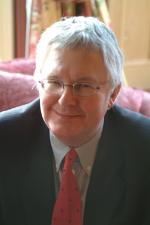
Since 2022, Roger Gill has co-led research into spiritual leadership during the Russian-Ukrainian war through extensive fieldwork in Ukraine. This includes spiritual wellbeing, trauma and moral injury across the population of military and civilian organisational leaders. His research partner in this is Ukraine-born Dr Alexander Negrov, founder and president of the Hodos Institute for Spiritual, Ethical and Effective Leadership based near Seattle. The first presentation of research results specifically focused on moral injury took place at the April 2026 ICMI conference. Launching in 2026 will be a Ukraine trauma care hub and resource platform.
Prof. Peter Hamilton
Professor in Human Resource Management and Co-Director of the Centre for Research on Organisations, Work and Society at Durham University Business School
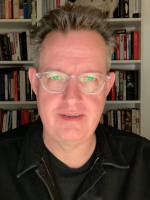
Peter Hamilton's main research interests focus around discourse and rhetoric within the processes of employment relations and human resource management. Recent projects include an examination of moral injury among NHS critical care nurses during the Covid-19 pandemic.
Dr Andrea Lambell
Post Doctoral Research Associate in the Department of Anthropology

Andrea Lambell's PhD thesis examines communication in health and social care during and beyond the Covid pandemic, showing the consequences of the moral injury which arose when professionals and the public were required to communicate in crisis conditions while being denied touch and proximity. It traces how its cumulative effects – such as loss of trust, withdrawal, and communication breakdown – have undermined coordination, capacity, and confidence over time, weakening disaster management and emergency preparedness. She presented a webinar for the ICMI which focused on the consequences of moral injury as experienced by unpaid family carers, and the knock-on effects for society as a whole. Andrea’s understanding of moral injury has informed her post-doctoral research as part of Durham University’s Reimagining Governance project, which is shaping practical proposals for psychologically safe communication, ethical clarity, and structured participation in the university’s governance processes and structures.
Dr Angela Marques Filipe
Associate Professor in the Department of Sociology
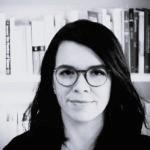
Angela Marques Filipe is an interdisciplinary sociologist of science and medicine, with special research interests in diagnosis and mental health. The question that has animated her work over the years is how contested conditions and concepts are understood and experienced and redefined in that process – from practices of attention and care in ADHD, to the embodiment and environments of vulnerability to the role of climate knowledge and feeling in eco-anxiety and climate mental health. In this latter recent work, Angela's work touches on existential questions concerning political defeat and moral emotions in the face of planetary exhaustion, which led to her new framework on "ecological moral distress” presented at the ICMI 2026 conference.
Dr Alice Nah
Associate Professor in the Department of Sociology
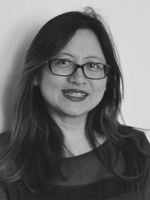
Alice Nah is interested in how people involved in human rights, humanitarian and development work experience moral injury as well as the practices they find helpful in regaining their wellbeing.
Dr Adam Powell
Assistant Professor in Medical Humanities
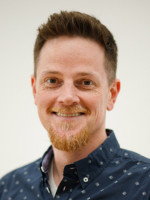
Adam Powell's research is at the nexus of religion and mental health, with a particular interest in how religion functions to shape and to make meaning of instances of crisis or anomalous sensory-perceptual experiences. He has maintained an interest in moral injury, stemming from contacts formed while developing a collaborative research project on hope among combat veterans (as yet unfunded). He is the founder and chair of the international research network, Religion, Health, and Humanities Researchers.
Dr Sitna Quiroz
Assistant Professor in the Study of Religion
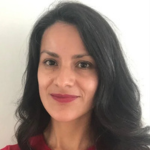
Sitna Quiroz is a co-lead of the Spirituality, Health and Wellbeing research theme at Durham University's Institute of Medical Humanities. Her current research explores spirituality in contemporary therapeutic cultures, transgenerational trauma and the long-term impact of colonial histories on people’s lives. She is also interested in the intersection between academic research and therapeutic practices.
Dr Nikki Rutter
Assistant Professor in the Department of Sociology
.png)
Nikki Rutter's work on child-to-parent violence (CPV) explores the complex interplay of harm, attachment, care, and responsibility within parent–child relationships, highlighting how parents often experience fear, guilt, shame, and isolation while continuing to maintain a caregiving identity towards the child causing harm (Rutter, 2023; Rutter et al., 2024; Rutter et al., 2025). When understood through a moral injury framework, Nikki's research illustrates how CPV can disrupt parents’ moral identity and sense of themselves as “good” parents, as they struggle to reconcile experiences of powerlessness, anger, or fear with deeply held expectations of parental protection, love, and responsibility. She reframes harmful behaviours as occurring within broader contexts of unmet need, distress, and relational difficulty, while still acknowledging the significant harm experienced by parents. This approach encourages responses that reduce blame and shame, support family relationships where safe, and recognise the moral and emotional impact of CPV on both parents and children.
Dr Ana Sousa Santos
Career Development Fellow in the Department of Anthropology
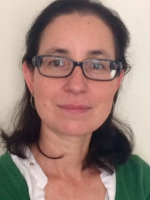
Ana Sousa Santos is a social medical anthropologist whose work explores the politics of memory and legacies of violence. Her work in Mozambique investigates the afterlives of violence, focusing on memory, belonging and ownership. Ana’s current research with Portuguese ex-combatants examines the connections between war memories, personal trauma, silences and collective remembrance of war. Her teaching includes a third year module on War and Health.
Prof. Katrin Wehling-Giorgi
Professor in the School of Modern Languages and Cultures and Co-Director of the Institute of Medical Humanities
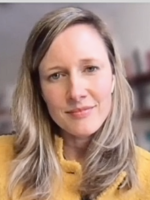
Katrin Wehling-Giorgi's research on transgenerational trauma and the embodied, narrative dimensions of suppressed suffering offers a productive framework for understanding moral injury by illuminating how such experiences are not only psychologically endured but culturally encoded and silenced across generations. Her work focuses on the ways in which literary and cultural texts bear witness to and articulate systemic violence, foregrounding the role of narrative, memory, and aesthetic form in recovering suppressed moral experience. It suggests that the path toward recognition and repair passes not only through clinical intervention but through the cultural and narrative frameworks that allow communities to name, transmit and ultimately bear witness to individual and collective forms of traumatic experience. She is currently working on a book project that looks at the specific insights literature can afford into women's lived experience of trauma, and she has recently authored an article on aesthetic tropes articulating transgenerational trauma in recent works of literature by Toni Morrison and Elena Ferrante.
Steering Group
The steering group of the ICMI advises the centre's Research and Development Group.
Dr Lydia Brown MBE and The Venerable Stephen Robbins CB
Lydia and Stephen support the Vann Fellowship and the ICMI.
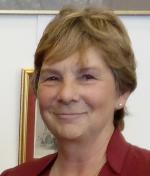
Lydia Brown is a veterinary surgeon who has held various senior positions in research, teaching and product development internationally. Lydia was a founder member of the Veterinary Surgeons Health Support Programme (Vet Helpline), is Past President of the Royal College of Veterinary Surgeons and is an Honorary President of the Universities Federation for Animal Welfare.
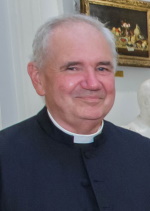
Stephen Robbins was Chaplain General of the British Army (2008-2011) and Archdeacon for the Army in the Church of England (2004-2011), and served in Iraq, Northern Ireland, Germany, and elsewhere. He continues to minister in several dioceses including Salisbury, Newcastle, and London and works with students at Durham University giving seminars as well as helping with the annual Robbins lecture.
Revd Nicola Frail
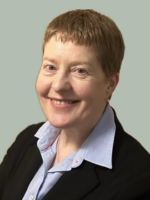
Nicola Frail is Lead Chaplain for NHS Borders in Scotland and a trustee of Veterans Chaplaincy Scotland. Until June 2026, she was a Senior Chaplain in the British Army and convenor of the Royal Army Chaplains’ Department Moral Injury Community of Interest.
Revd (Colonel, retired) Timothy Mallard PhD
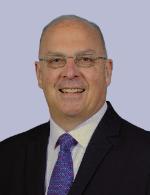
Timothy Mallard is a Professor of Leadership and Ethics at Birmingham Theological Seminary in the USA. Previously he was Director of Ethical Development at the United States Army War College and Command Chaplain of the US Army in Europe and Africa. He is a Minister of Word and Sacrament in the Evangelical Presbyterian Church and is a member of the International Society of Military Ethics.
The Venerable Clinton Langston CB
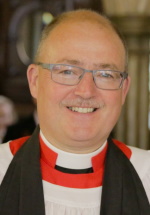
Clinton Langston is a British Anglican priest and military chaplain. He was Chaplain General of the British Army (2018-2022) and Archdeacon for the Army in the Church of England (2017-2022). He has served in Bosnia, Northern Ireland and Iraq.
Debra Fidler
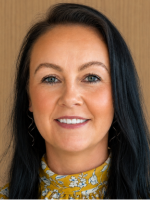
Debra Fidler is Trusts and Foundations Manager in the Development and Alumni Relations Office at Durham University.
Tim Guinan
Tim Guinan is Head of Major Gifts at Durham University.