

/filters:quality(70)/prod01/prodbucket01/media/durham-university/departments-/psychology/research/research-groups/developmental-science/Developmental-Science-Group-Photo-2025_1920X1280.jpg)
Cognitive and Sensory Development
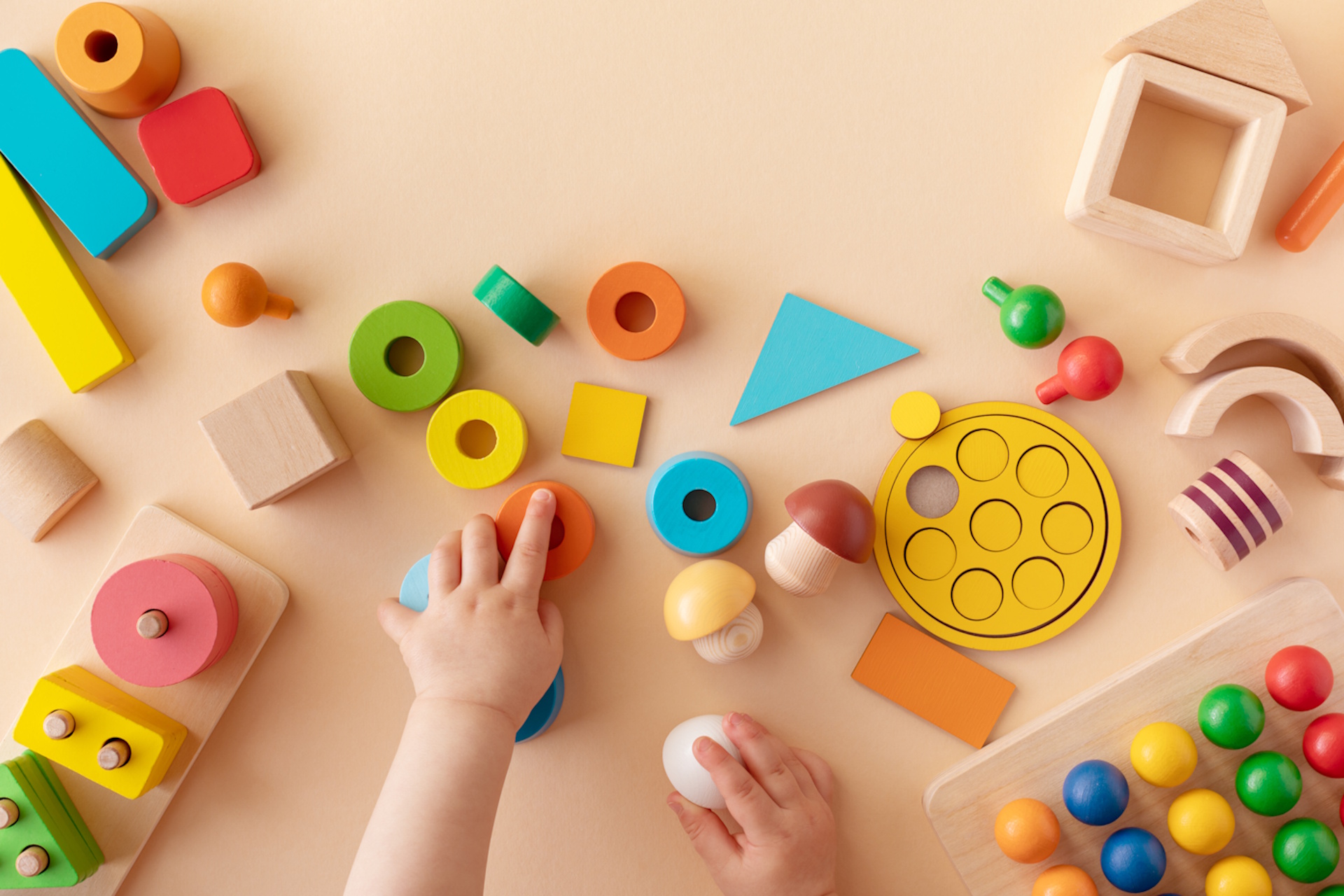
Cognitive and sensory processes are fundamental to how we experience and understand the world. The core questions that drive our work on cognition and sensory processes focuses on how people perceive, attend to, and learn from their environments across the lifespan, from prenatal and early infancy through to adulthood. Central to this work is the idea that cognition emerges through dynamic interactions between the brain, body, and sensory world, shaped by social relationships and cultural context. Our research examines how abilities such as language, social understanding, attention, numerical thinking, and creativity develop, as well as how differences in experience influence learning and behaviour. We conduct internationally leading research on early communication, perception and action, social cognition, learning differences, and the ways culture and environment shape how people think and behave in everyday life.
Fundamental to our approach is studying cognition as it occurs in real-world contexts. We investigate how infants, children and adults learn from and develop through interaction with others, how knowledge and skills are transmitted across generations, and how cognitive and sensory experiences support communication, education, and mental health. This includes work on prenatal perception (taste, sound, light stimulation), in relation to maternal mental health and nicotine consumption. It also includes research on attention, social processing, learning differences in reading and mathematics, and the development of self-awareness and relationships. Our work takes a truly developmental perspective, by studying the developmental origins of cognitive and sensory processes from the prenatal period, through infancy to childhood and beyond. By combining insights from developmental science, cognitive psychology, neuroscience, and cultural research, we aim to understand both typical and diverse developmental pathways and to identify ways to support individuals across educational and clinical settings.
A defining feature of the theme is its methodological innovation and community engagement. We use a wide range of innovative methods from behavioural studies, games and eye-tracking to neuroimaging VR and cross-cultural research. We work closely with schools, families, and community partners to engage with the realities of child development in the North East.
| Name | Research Keywords |
|---|---|
|
Infancy, cognitive development, language development, bilingualism |
|
|
Motor, body, multisensory, development, virtual reality, limb differences |
|
| Dr Samuel Forbes |
Infancy, cognitive development, language development |
| Dr Haemy Lee Masson | Social-cognitive neuroscience, social perception, emotion recognition, multisensory integration |
|
Maths cognition, reading acquisition, working memory, cognitive development |
|
|
multisensory, embodiment, physiology, interoception, social media, reward learning, virtual reality |
|
| Dr Bruce Rawlings | Creativity, innovation, tool use, cognitive development, comparative, nonhuman animals |
| Prof Nadja Reissland | Fetal to neonatal development, perception of taste, light and sound stimulation, maternal mental health, nicotine, effects on development |
| Dr Paddy Ross | Emotion Recognition, Sensory Dominance, Social Perception |
Media Enquiries
For media enquires, please contact the below individuals on:
- First impressions or the development of emotion recognition - Dr Paddy Ross
- Infancy, language or cognitive development - Dr Samuel Forbes
- Fetal and neonatal development, effects of maternal consumption of nicotine on fetal and neonatal development as well as effects of bitter and non-bitter vegetable consumption - Prof Nadja Reissland
- VR and children, multisensory development and/or limb differences - Prof Dorothy Cowie
Other Research Areas
Find out more about our other research areas.
Cultural and Comparative Development
/filters:quality(70)/prod01/prodbucket01/media/durham-university/departments-/psychology/research/research-groups/developmental-science/Cultural_and_Comparative.jpg)
Education and Learning
/filters:quality(70)/prod01/prodbucket01/media/durham-university/departments-/psychology/research/research-groups/developmental-science/Education_and_Learning.jpg)
Mental Health and Wellbeing
/filters:quality(70)/prod01/prodbucket01/media/durham-university/departments-/psychology/research/research-groups/developmental-science/MentalHealth_and_Wellbeing.jpg)
Neurodiversity
/filters:quality(70)/prod01/prodbucket01/media/durham-university/departments-/psychology/research/research-groups/developmental-science/Neurodiversity.jpg)